
Many people assume that cavities always come with obvious pain. In reality, tooth decay often develops quietly, causing damage long before discomfort sets in. This is one of the main reasons regular dental visits are so important. At Kensington Natural Smiles, we frequently see patients who are surprised to learn they need treatment even though they feel fine.
Understanding the early warning signs can help you protect your teeth before minor issues become major problems. Below are 5 common signs you may need dental fillings, even if you are not experiencing pain.
1. Sensitivity to Hot, Cold, or Sweet Foods
Tooth sensitivity is one of the earliest indicators that a filling may be needed. If you notice a sharp or lingering sensation when drinking hot coffee, eating ice cream, or enjoying sweet foods, it could signal that your enamel has weakened.
As enamel wears down, the inner layers of the tooth become more exposed. This allows temperature changes and sugars to irritate the nerve, even if the decay has not yet reached a painful stage. Sensitivity that appears repeatedly or worsens over time should never be ignored. A dental exam can determine whether a small cavity is responsible and whether dental fillings are the appropriate solution.
2. Visible Spots or Discoloration on a Tooth
Changes in the color or appearance of your teeth can be another sign of early decay. White spots may indicate mineral loss in the enamel, while brown or dark areas can signal more advanced damage.
These spots are often easy to miss without proper lighting or dental imaging. During routine exams, your dentist can identify problem areas that may not be visible to you. Treating decay early with dental fillings helps preserve more of your natural tooth structure and prevents the need for more extensive procedures later.
3. Rough or Uneven Tooth Surfaces
If your tongue keeps catching on a particular tooth or you notice a rough edge when flossing, it could mean that decay has begun to break down the enamel. Cavities do not always form deep holes right away. Sometimes they start as small, uneven areas that weaken the tooth’s surface.
These rough spots can trap food and bacteria, allowing decay to progress faster. Addressing the issue promptly with dental fillings smooths and restores the tooth, making it easier to keep clean and healthy.
4. Food Frequently Getting Stuck Between Teeth
While occasional food traps can be normal, consistently getting food stuck in the same spot may indicate a structural change in your tooth. Cavities can alter the shape of a tooth, creating spaces where food debris collects.
Over time, this trapped food increases the risk of further decay and gum irritation. If flossing does not resolve the issue or the problem persists, it is important to schedule an evaluation. Early treatment with dental fillings can close these spaces and reduce your risk of future dental complications.
5. Dental X-Rays Reveal Hidden Decay
One of the most common reasons patients need fillings without symptoms is decay that is only visible on dental X-rays. Cavities often form between teeth or beneath existing restorations, where they cannot be seen or felt.
Regular checkups allow your dentist to detect these hidden issues early. Treating them with dental fillings prevents the decay from spreading deeper into the tooth, where it could eventually require a crown or root canal.
Why Early Treatment Matters
Delaying treatment because there is no pain can lead to more serious dental problems. Tooth decay is progressive, meaning it does not stop on its own. What begins as a small cavity can grow larger, compromise the tooth’s structure, and eventually cause infection.
By addressing issues early with dental fillings, patients can often avoid discomfort, reduce treatment time, and preserve their natural teeth for longer. Preventive care is always simpler and more cost effective than restorative treatment for advanced decay.
What to Expect From Dental Fillings
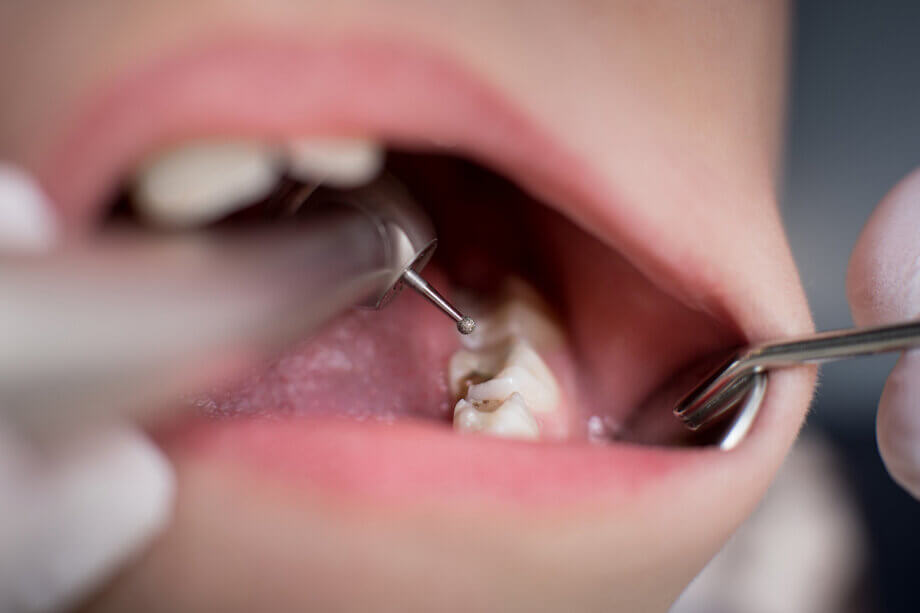
Modern dental fillings are designed to be comfortable, durable, and natural looking. The process typically involves removing the decayed portion of the tooth, cleaning the area, and restoring it with a tooth colored material that blends seamlessly with your smile.
At Kensington Natural Smiles, patient comfort and conservative care are priorities. Fillings are placed with precision to restore strength and function while maintaining a natural appearance. When done early, the procedure is straightforward and helps protect the tooth from further damage.
Protecting Your Smile Starts With Early Detection
You do not need to feel pain to have a dental problem. Subtle changes in sensitivity, appearance, or texture can be early signs that treatment is needed. Paying attention to these signals and scheduling regular dental visits can help catch issues before they worsen. Dental fillings play a key role in preserving healthy teeth and preventing more complex dental procedures down the road.
Frequently Asked Questions About Dental Fillings
Do dental fillings hurt?
Most patients experience little to no discomfort during the procedure. Local anesthesia is used to numb the area, making the process comfortable. After treatment, mild sensitivity may occur but usually resolves quickly.
How long do dental fillings last?
The lifespan of a filling depends on the material used and oral hygiene habits. With proper care, many fillings can last for years before needing replacement.
We are proud to care for patients at Kensington Natural Smiles, where we focus on preventive dentistry and personalized treatment. Our team is committed to helping patients maintain healthy, confident smiles through conservative care and education. If you have concerns about tooth sensitivity or decay, contact us today.